
Some may have been dealing with AdBlue® for the last couple of years, whereas some may have just heard whispers of this new fluid. However, it is now clear that AdBlue® is an inevitable part of the fuel market, that sooner or later we all need to know about!
AdBlue® or diesel exhaust fluid (or cow urine!), is a urea solution used to reduce the exhaust emissions of diesel engines.
In order to meet new environmental standards, new diesel vehicles are being manufactured with Selective Catalytic Reduction systems that require AdBlue® to run.
Product Focus – AdBlue® Equipment
To cater for the growing market for AdBlue® our product range has expanded to include Suzzara Blue equipment.
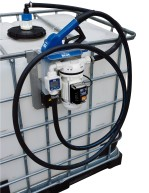
Thanks to being DC powered, the Portable Battery AdBlue® pump kit is ideal for mobile refuelling. It is therefore ideal for the agricultural market, where refilling a tractor out in the field may be needed.
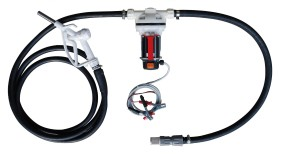
As well as general items that have wide applications such as the IBC pumping kits, we also stock products that have been specially designed with certain industries in mind.
More about AdBlue
AdBlue is a clear liquid made from purified water and urea. Modern diesel vehicles inject small amounts of it into the exhaust system, where it supports the SCR process that reduces harmful nitrogen oxide emissions. For fleet operators, this makes AdBlue essential to both compliance and vehicle availability. Without it, a Euro 6 vehicle may fail to meet emissions requirements, limit performance or refuse to restart, depending on the vehicle system. AdBlue is stored and dispensed separately from fuel, whether this is a separate tank or as part of a multi compartment thank pack. If AdBlue is contaminated, unavailable or dispensed through unreliable equipment, that may impact the operation of your fleet. That’s why AdBlue needs to be managed alongside fuel storage, dispensing equipment, gauges, monitoring and maintenance. When those elements work together, operators have better control.
Why AdBlue storage and dispensing needs careful management
AdBlue isn’t difficult to manage when the right system is in place, but it’s sensitive to poor storage, handling and maintenance.
Contamination and materials
AdBlue can be compromised by dirt, water, fuel, oil or contact with incompatible materials. Copper and copper alloys in particular should be avoided. Contaminated product can contribute to SCR faults, avoidable repair costs and downtime.
Crystallisation
Where AdBlue meets the air, it can leave white crystalline deposits around nozzles, fittings and seals. A small amount may be expected in day-to-day use. Repeated or heavy crystallisation can point to poor sealing, worn equipment or handling issues. This should be investigated early.